Truskavets city, Borislavska st., 2A
Sign up through the call center
We are working:
Branch No. 1 (spinal treatment)
Mon - Sat:08:00 - 20:00
Nd:08:00 - 19:00

Branch #2 (Diagnostics and Health)
Mon - Sat:08:00 - 20:00
Nd:Weekend.
Hotline:
Order a call

Migraine: definition, symptoms, treatment and prevention

Intense throbbing pain, nausea, and a feeling of weakness are all characteristics of migraine, a disease that significantly affects the quality of life and work productivity of many people.

What is a migraine?

Migraine is a chronic neurological disease characterized by recurrent attacks of severe headache. It is not just an ordinary headache, but a complex system of symptoms that can last from several hours to several days.


Types of migraines

  • Migraine without aura: This is the most common type of migraine, where the pain occurs immediately, often accompanied by nausea and a feeling of weakness.
  • Migraine with aura: The headache may be preceded by an "aura." This may include visual changes such as flashes of light or dark spots, as well as other neurological symptoms, such as ringing in the ears or speech problems.
  • Chronic migraine: If migraine attacks occur at least 15 days a month for three months, it can already be defined as chronic migraine. This type of migraine is often accompanied by less intense but longer-lasting pain.

Migraine symptoms

  • Headache: Intense, throbbing pain that may occur on one side of the head and is accompanied by a feeling of pressure or pulsation.
  • Nausea and vomiting: These are common accompanying symptoms of migraines that can lead to loss of appetite and dehydration.
  • Sensitivity to light and sound: Migraine sufferers may experience extreme sensitivity to light and sound, which can further exacerbate their discomfort.

Causes of migraine

  • Genetics: If your family has other cases of migraines, you are at increased risk of developing it.
  • Hormonal changes: Pregnancy and menstruation can affect hormone levels and trigger migraine attacks.
  • Stress and changes in sleep patterns: Favorable conditions for the development of migraines can arise from stressful situations and insufficient sleep.

Migraine treatment in Truskavets

  1. Taking medication: Analgesics, anti-inflammatory drugs, triptans are just a few possible medications that can help relieve pain during an attack.
  2. Physiotherapy the massage: Physical therapy exercises and other physical therapy methods can help reduce the intensity and frequency of migraine attacks.
  3. Lifestyle changes: Regular physical activity, proper nutrition, and quitting bad habits can help reduce the risk of migraines.

Migraine prevention

  • Regular sleep: Maintaining a sleep schedule and ensuring adequate rest for the body are key to migraine prevention.
  • Avoiding stress: Developing stress reduction strategies, such as yoga or meditation, can significantly reduce the risk of migraine attacks.
  • Proper nutrition: Avoiding triggers, such as certain foods and drinks, can help prevent migraines.
Conclusion.

Migraine is a serious condition that affects the well-being of people around the world. We recommend contacting experienced specialists in Truskavets for effective help and support in managing this condition.

 

Migraine treatment in Truskavets
Making an appointment with a doctor
Don't hesitate to contact our specialists for advice and an individualized treatment plan. We are ready to help you restore your health. .
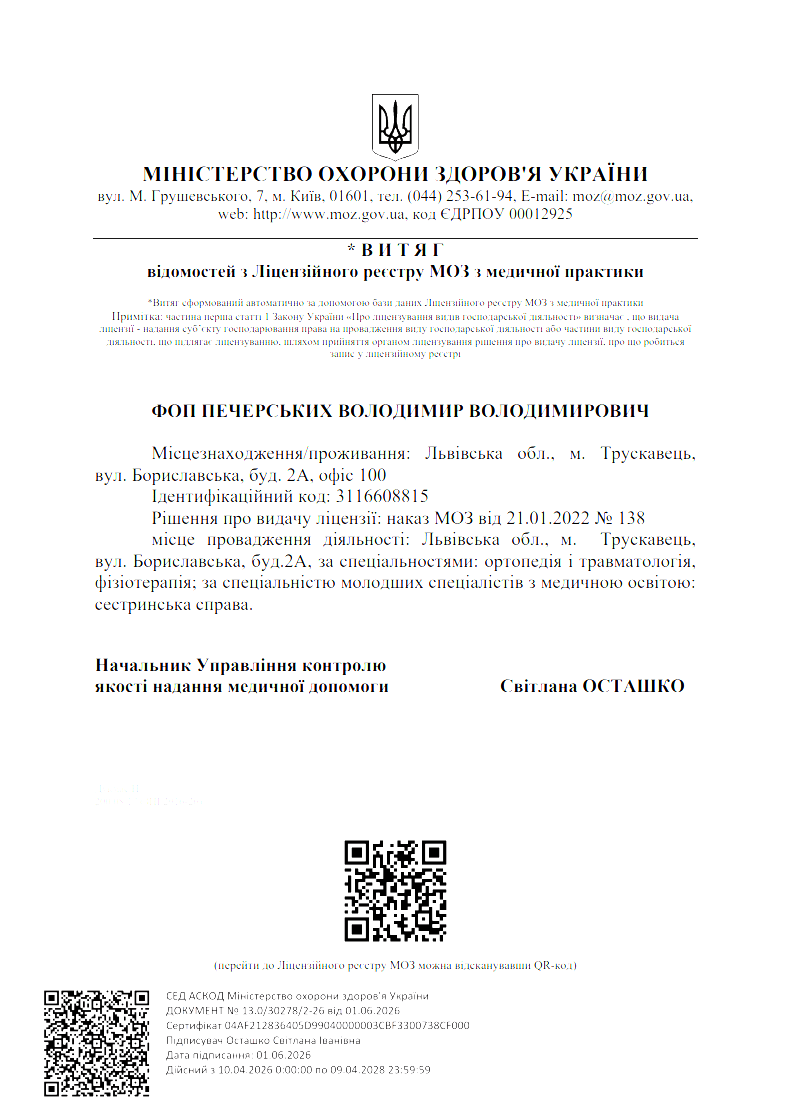
Certificates of the Ministry of Health
We carry out medical activities on the basis of a license issued by the Ministry of Health of Ukraine and in accordance with the current legislation.
Call
Select a branch